



Art Sourcing & Curation
Source artworks aligned with brand identity and client profiles, and curate tailored collections for each project.Art Commissions
Commission bespoke artworks in collaboration with international artists.End-to-End Production
Oversee the full project from concept to final installation, managing budgets, timelines, coordination, and logistics.
Art shapes how we experience space, giving it meaning, emotion, and identity. It influences mood and creativity in workplaces, atmosphere in homes and hospitality, and connection in shared spaces, quietly shaping how we feel and behave every day.
Art can be integrated into existing financial and tax frameworks, often as part of capital expenditure or fit-out strategies. In some cases, it may also offer efficiencies within regulatory structures, positioning it as both a cultural and strategic investment.
I’m Luciarita Nunziata, an art consultant with a background in art production, humanities, and cultural management. I bring a considered, internationally informed approach shaped by work across Europe and the Middle East. I curate art for interiors, spaces, and our souls, enhancing identity, atmosphere, and long-term value. Rather than mere decoration, I approach art as a strategic narrative layer that shapes the spaces and emotions we experience.
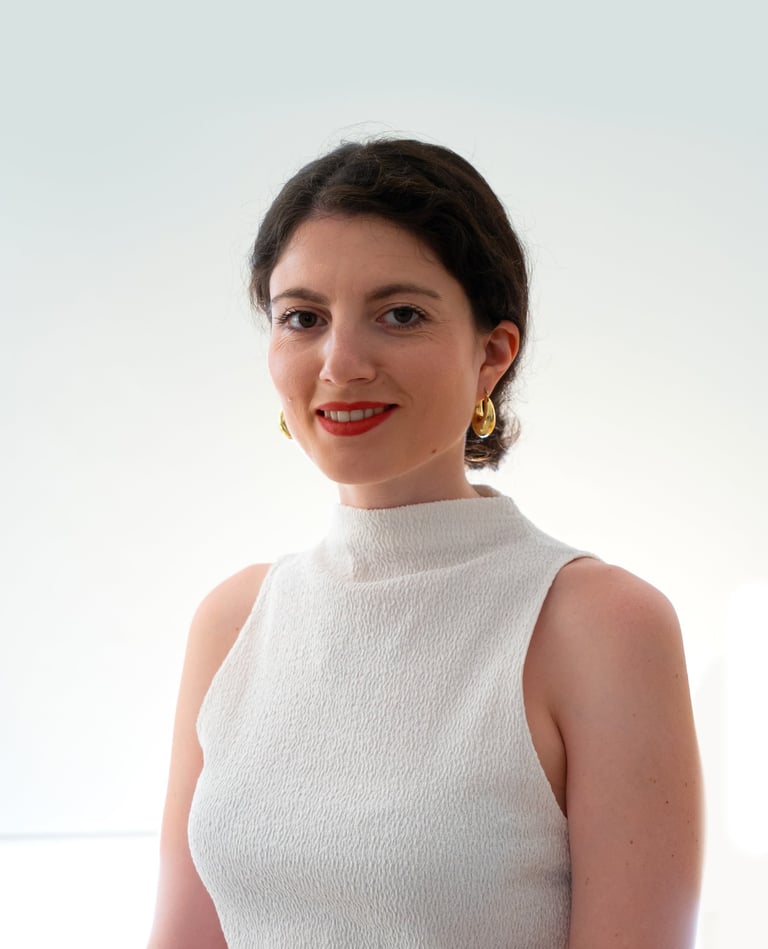
An art consultant is an expert who helps clients source, select, and curate artworks tailored to their needs, often working closely with artists, collectors, designers, and architects to build cohesive collections or shape specific spaces.