
The Iconographie Photographique de la Salpêtrière
ARTSPHOTOGRAPHYBOOKS
3/16/2026
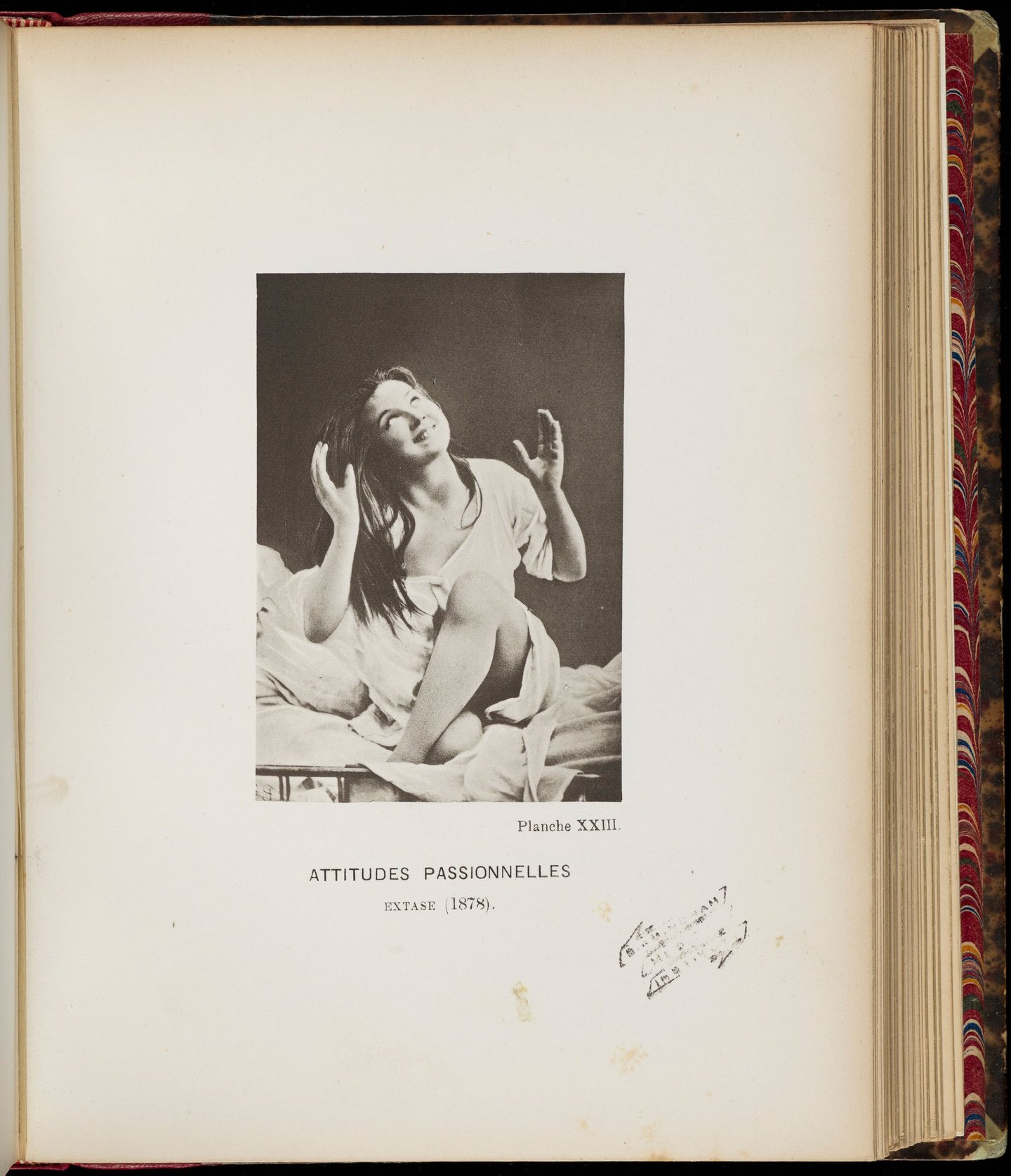
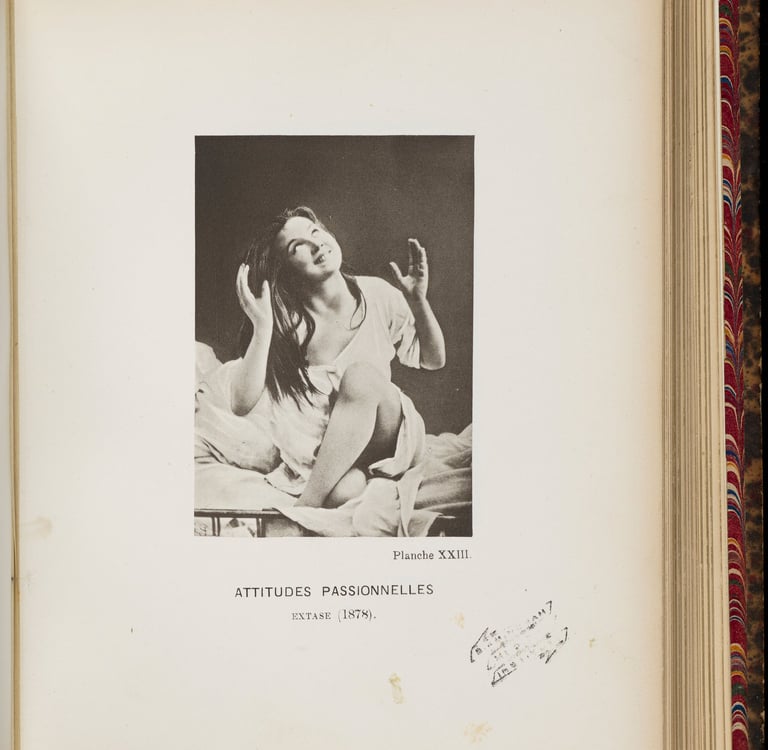
What if a face could reveal what happens inside the mind? This was the fascinating and controversial idea behind the Iconographie Photographique de la Salpêtrière, one of the most important visual documents of the 19th century.
Created in Paris between 1876 and 1880 at the Salpêtrière hospital, this photographic collection attempted to capture the expressions, gestures, and physical signs of patients diagnosed with hysteria and other mental conditions. Their faces were presented as windows into an invisible world, mostly emotions and thoughts considered “alienated” or distant from ordinary reality.
For doctors of the time, photography became a tool to study and classify human behavior, turning the face into a map of the inner self. Today, however, these images also reveal the beliefs and limits of the society that created them.
The Iconographie Photographique de la Salpêtrière remains an important document in the history of how we have represented the human face across different media. Its dramatic expressions, carefully observed gestures, and attention to emotional states influenced the way artists and filmmakers later explored the relationship between the face and the inner world.
I find it fascinating because it shows that a face is never just an image: it carries stories, emotions, and interpretations. By looking at these photographs, we are also looking at how we, as humans, have always tried to understand ourselves through the faces of others.